
Rover Location Database
Travel
- Travel
- 2026 CN71
- 2026 CN75
- 2026 CN78
- 2025 DN07
- 2024 DN19-29
- 2023 CN76
- 2022 CN76
- 2022 CN93
- 2022 CN93
- 2022 VHF
- 2021 CN78
- 2021 CN76
- 2011 CN78
- 2021 Ely, NV
- 2020 CN98
- 2020 DN08
- 2020 N7G
- 2019 DN27-07
- 2018 CN98
- 2018 DN08
- 2018 DN22-43
- 2018 EN02
- 2018 Article
- 2018 EM87
- 2017 Summer
- 2016 CN87
- 2014 CN82-92
- 2014 Plan
- 2014 VHF
- 2013 VHF
- 2012 Oct
- 2012 May
- 2012 VHF
- 2011 Sept
- 2011 June
- 2011 May
- 2011 CN97
- 2011 CN97
CN78 Olympic Peninsula, WA
June 30 - July 3, 2026
CN78 is a mostly-water rare grid in the utmost NW corner of the country, filled with rugged terrain and deep valleys on the Olympic Peninsula. This is separated from Seattle by a pleasant ride on the Washington State Ferry system.
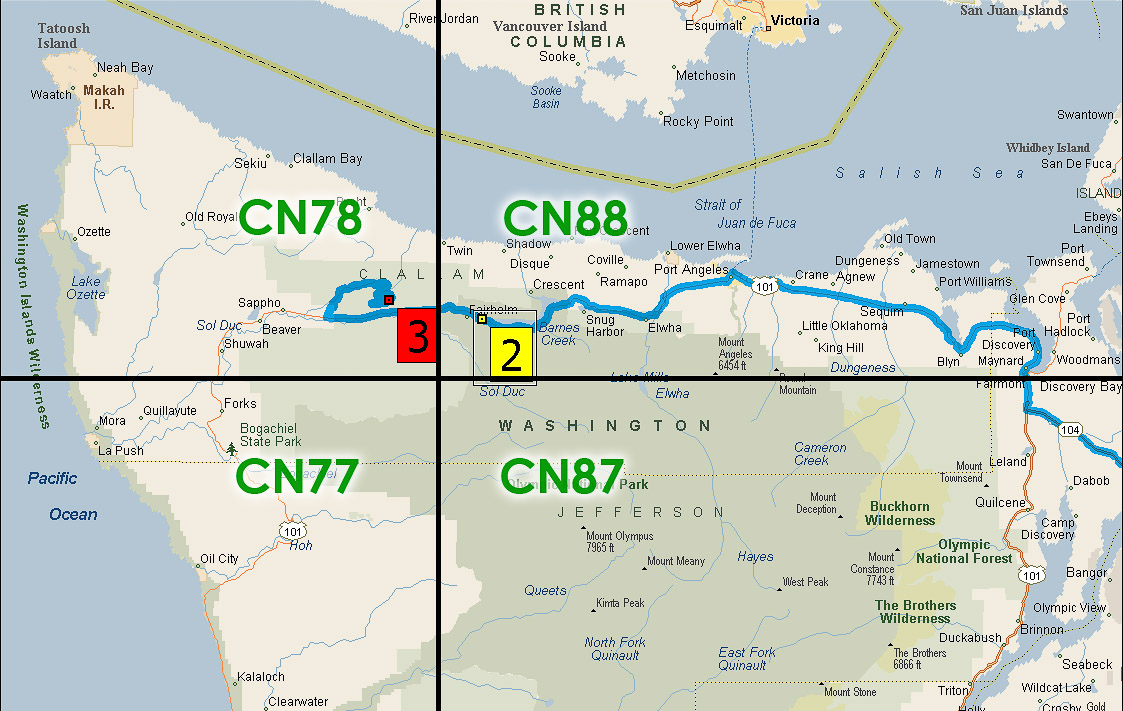
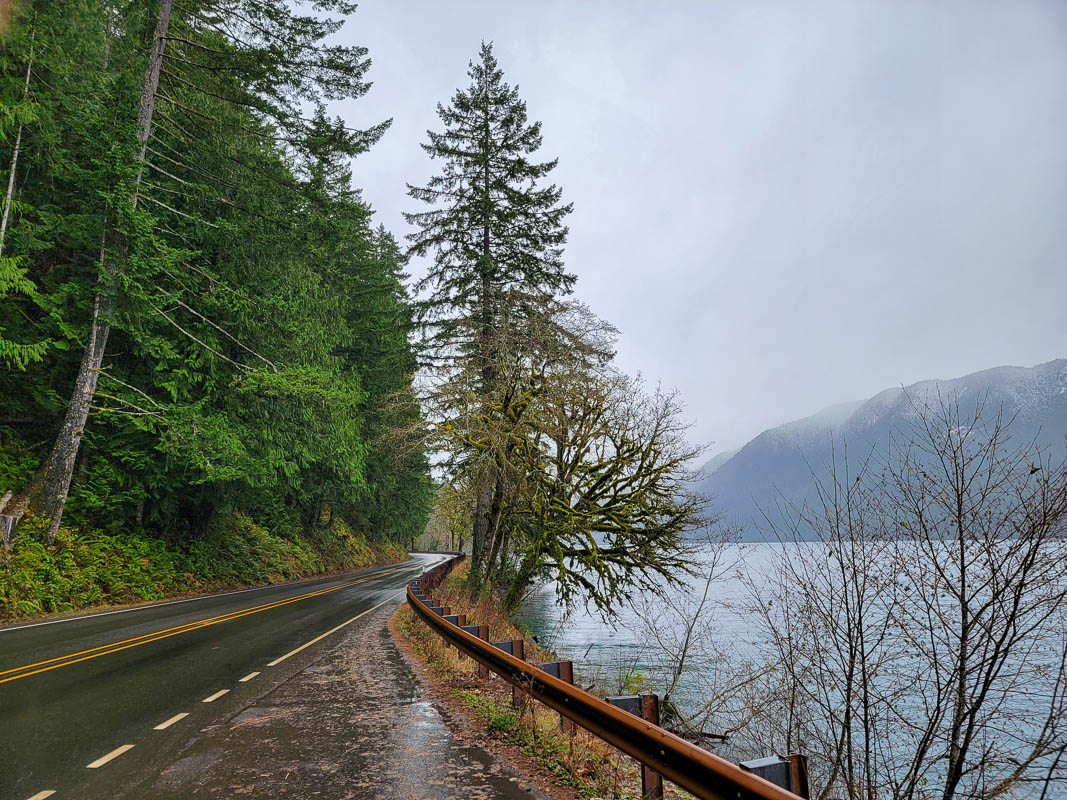
Then a long scenic drive takes you through Port Orchard, Port Angeles, and along one of the most scenic lakes in the world, the amazing Crescent Lake surrounded by steep forested hills.
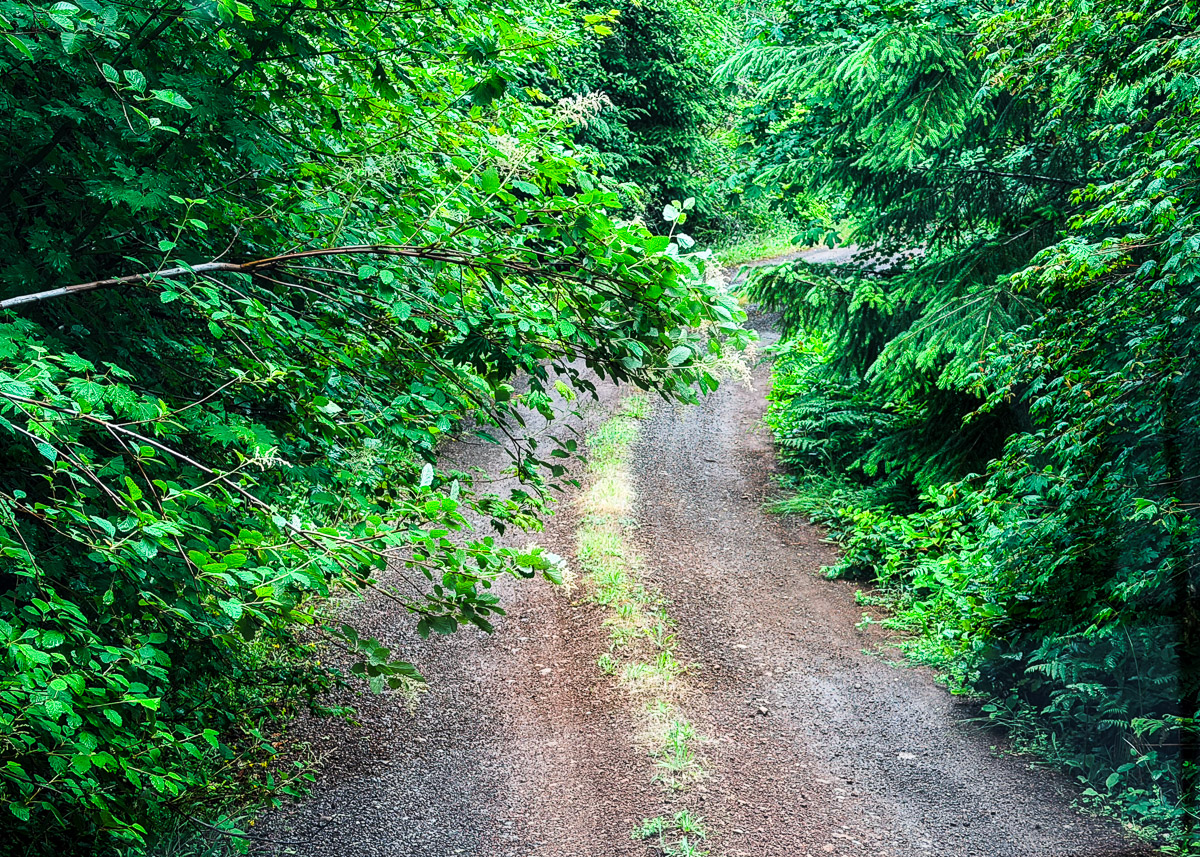
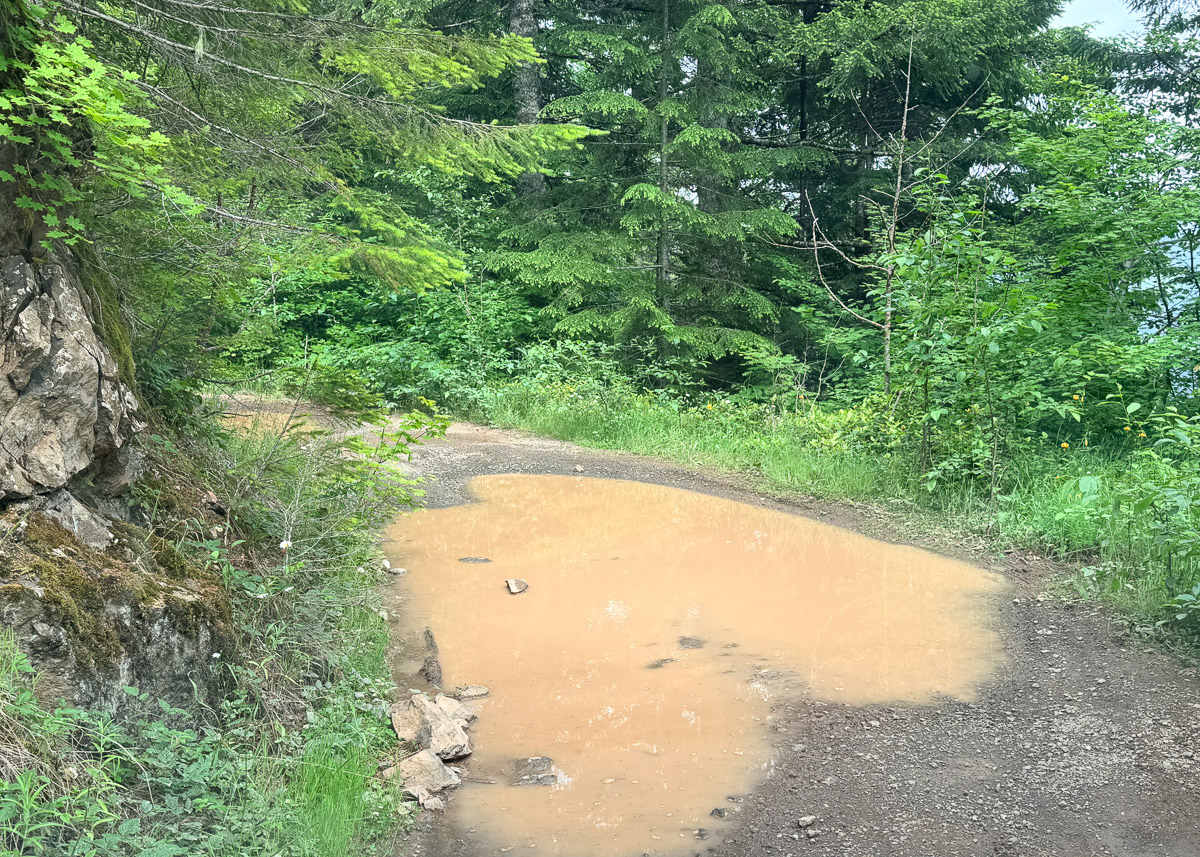
Ten miles west of Lake Crescent is the turnoff to an unmaintained overgrown forest service road. It can take an hour with 4WD to reach the top. Bring your pruning saw and wading boots.
The old lookout platform has become a tiny park looming over a 2,300' dropoff. In clear weather you can see it from Highway 101 way down in the Sol Duc River valley just west of Lake Crescent.
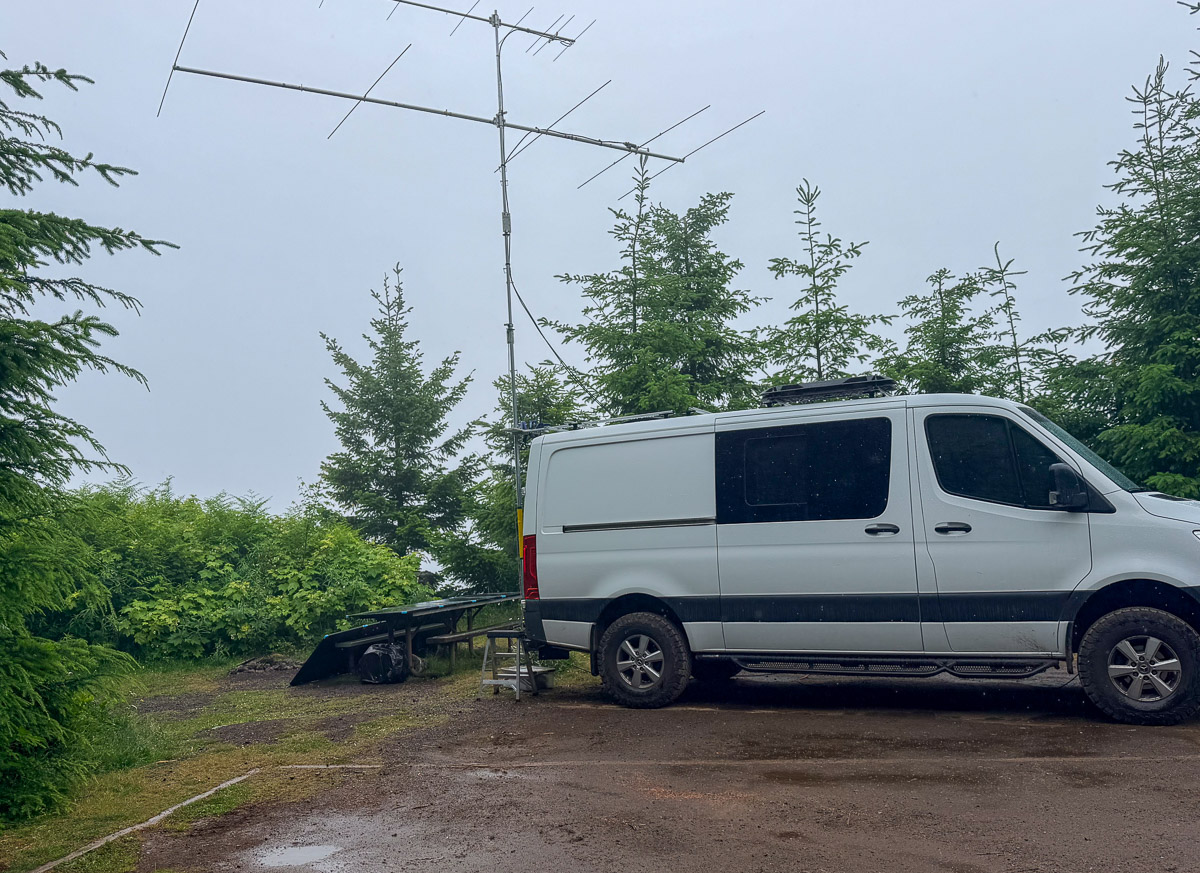
This place is not far from Forks, WA, ranked as the rainiest town in the lower 48 with average annual rainfall often exceeding 10 feet per year. The wet weather upheld its reputation this week.
My goal was to work Alan N5NA in Texas for his 488th grid and the FFMA award. Everything else was going to be gravy.
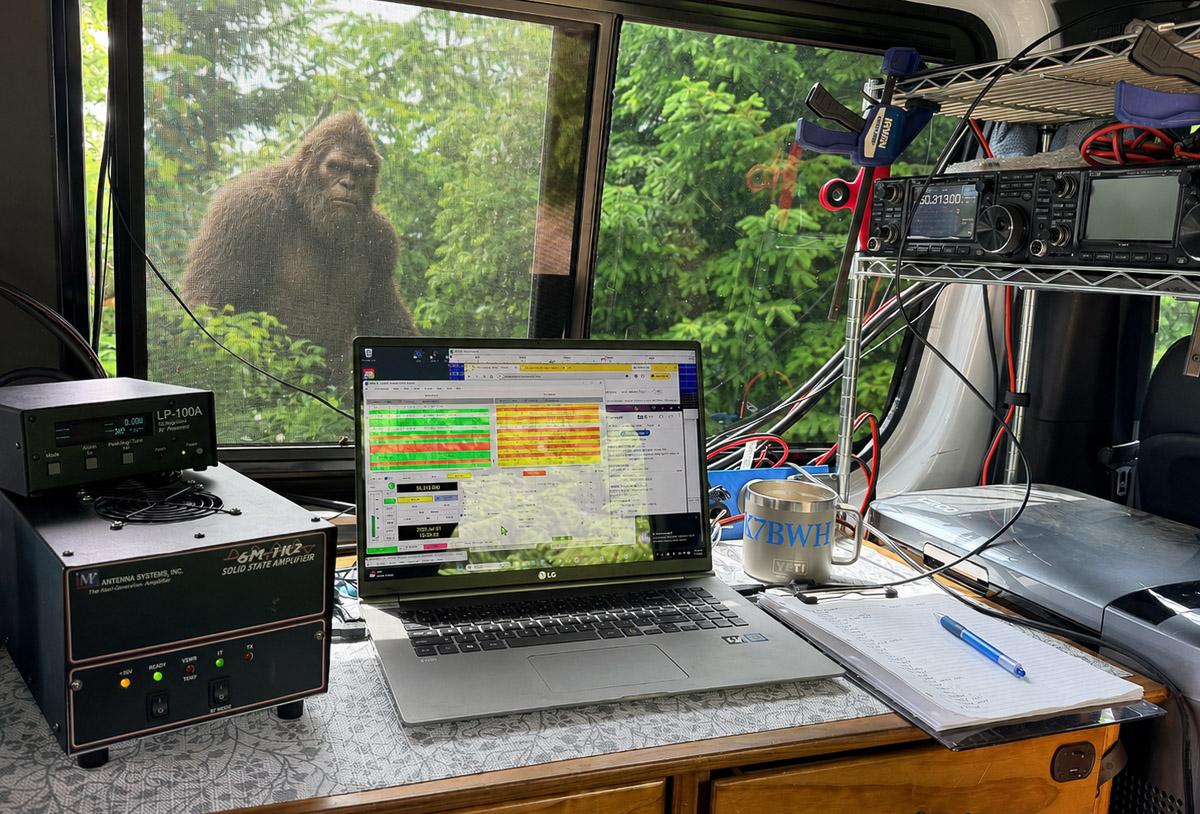
As it turned out, Alan was my first contact in the first few minutes on arrival at 5pm Tuesday. The very first contact, using a mere 100 watts from my barefoot IC-7300. We were both shocked. He's been trying to reach CN78 for years. I've made a couple trips to CN78 for him before this without success.
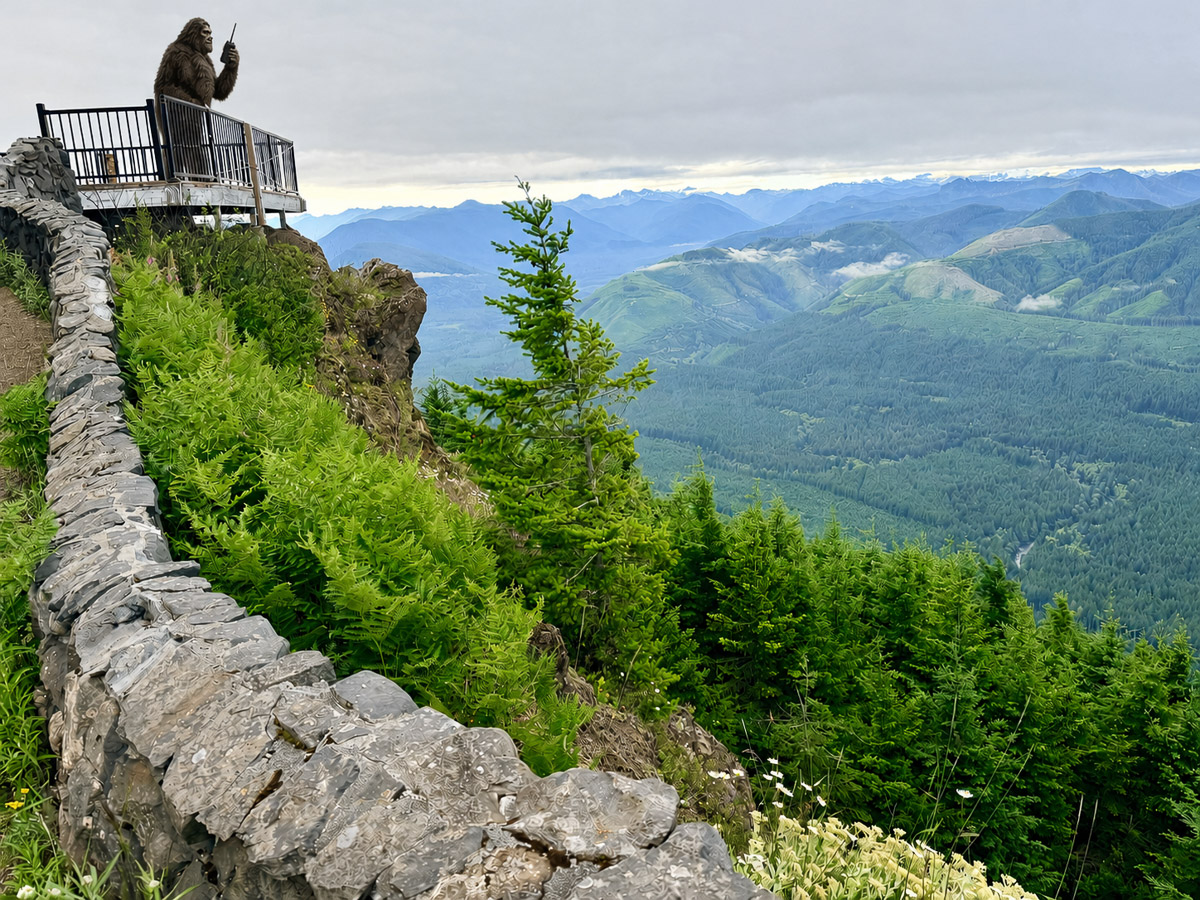
Then the floodgates opened and I worked a pileup for over 200 QSOs before bedtime. Many of them were FFMA glitterati who have been chasing this grid for a long time. Good gravy! But the gravy bowl held more for me the next day.
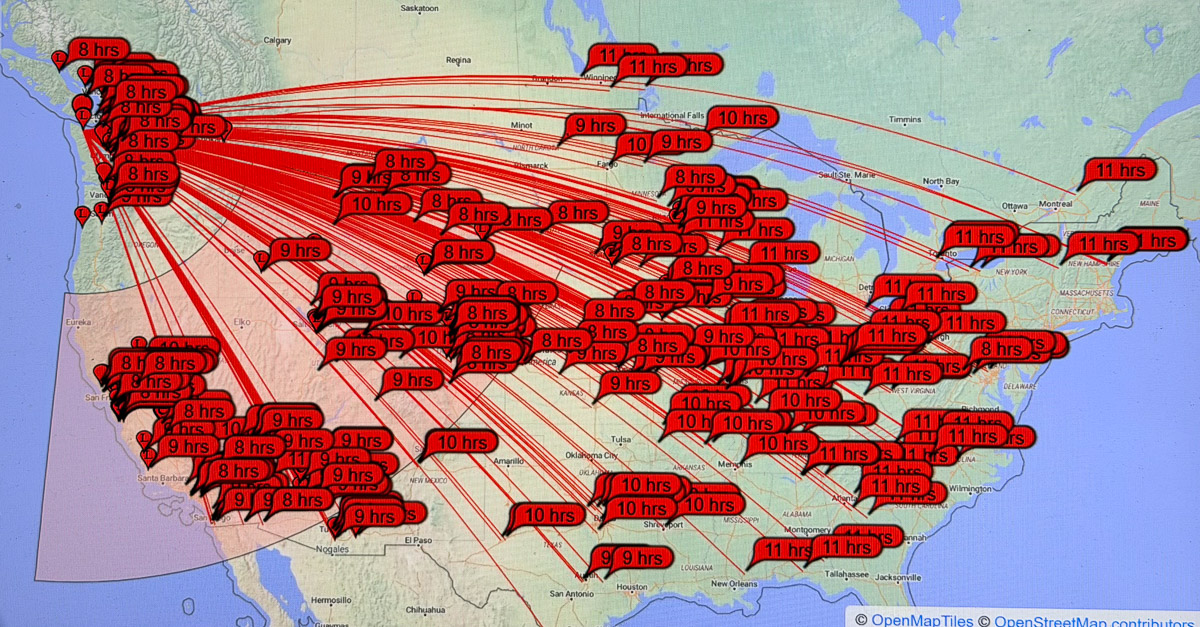
I worked my friend Edfel KP4AJ and a couple others in Puerto Rico at 3700 miles. For Edfel, this is his farthest-away possible grid out of the mainland 488. He didn't seriously expect to ever work CN78 in his lifetime.
After working these two, I didn't think it could get any better. Then I worked AL7JX in Anchor Point, Alaska (motto: "North America's Most Westerly Highway Point") at 1,340 miles. The God of Propagation (we think it's Loki the jokester) granted me G8BCG in England at 4,750 miles, and a contact in Japan, JR2HCB at 4,820 miles and I even heard Tac JA7QVI.
I tried 2-meter WSJT operation for my first time. Contacts were sparse and quite local. Distant contacts can take a very long time; meteor scatter can be infrequent and very slow. I probably won't do this again unless I can run the two bands simultaneously. Even then, it hardly seems worth the extra work.
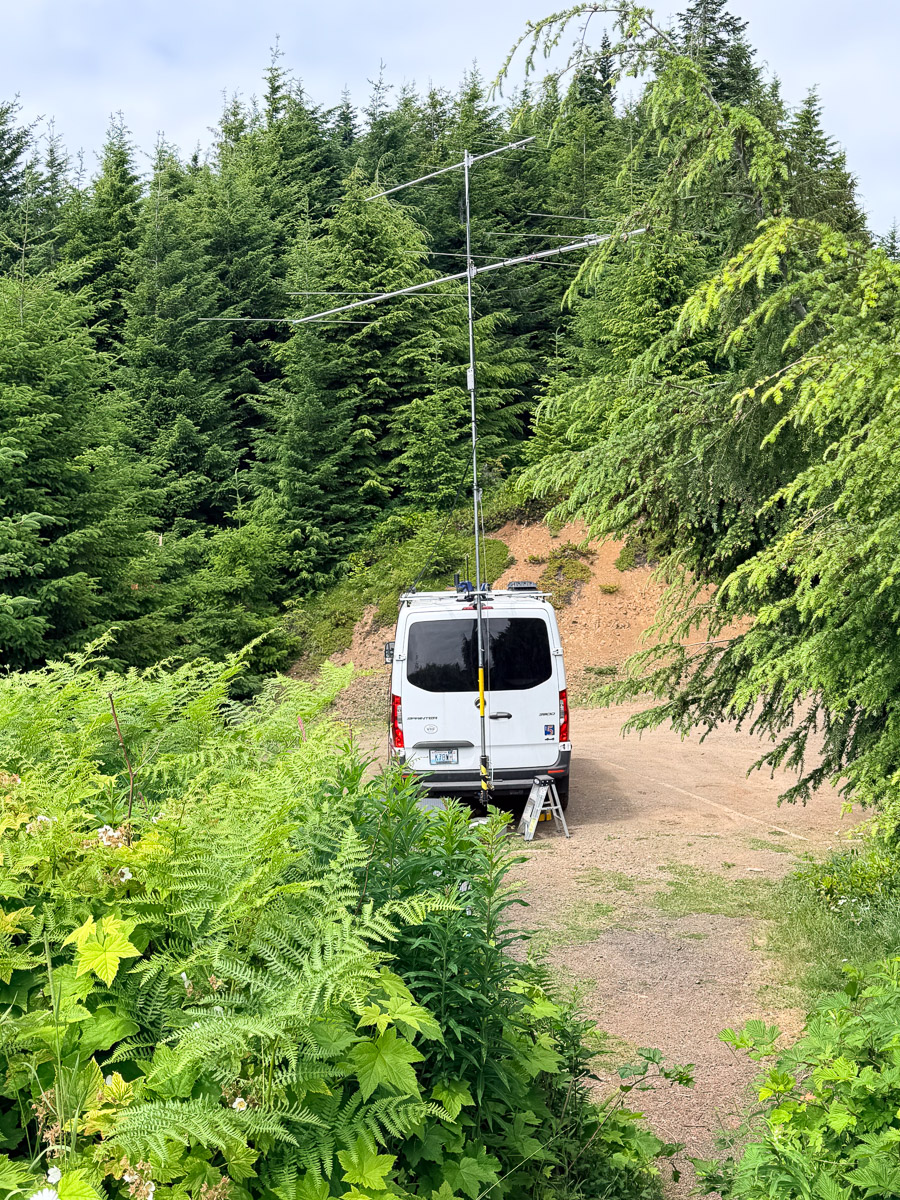
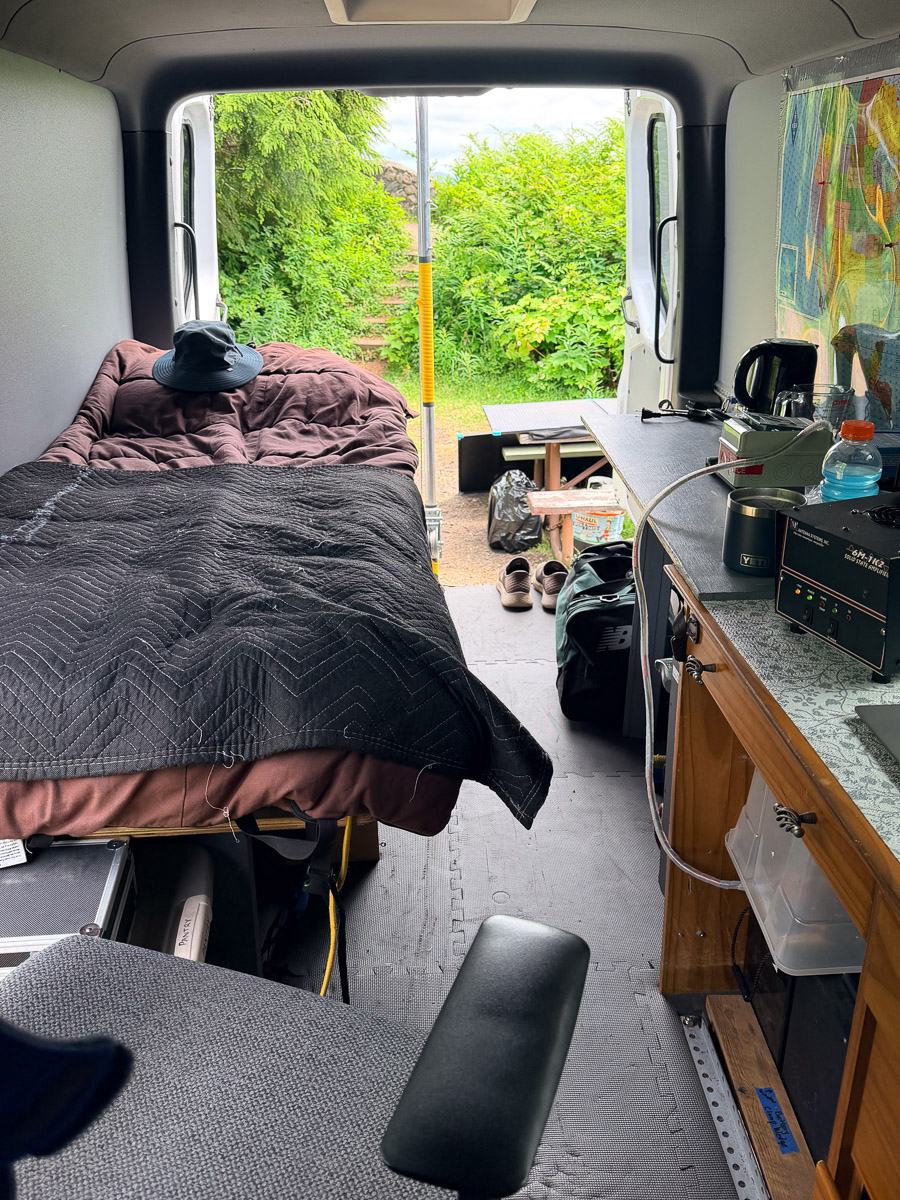
There were 277 contacts in 3 ½ days, including 34 states and 6 countries. I can't wait to see how this affects the CN78 ranking, currently at #29 and needed by 22.2%. (Edit: CN78 is needed by 10.2% as of September 2026.)
All my contacts are in Logbook of The World (LoTW). Let me know if anything is missing.
Thank you to everyone for the chase and support. A big thanks to all that sent donations for expenses. And I apologize to everyone in Seattle for all my noise and interference - my big signal necessarily pierced the city en route to all the rest of the country.
73! Barry K7BWH
| < Previous | Page 4 of 39 | Next > |
©1998-2026 Barry Hansen